Selecting the Best Pool Stabilizer for Your Pool Chemistry
When you're aiming for crystal-clear pool water, understanding pool chemistry is key. Pool stabilizer, also known as Cyanuric Acid (CYA), plays a critical role in this balance. As home improvement publications regularly highlight in pool care guides, choosing the right stabilizer is essential for effective sanitation.
This guide will help you understand why CYA is crucial for your pool, the different types available, and how to select the best one to maintain optimal water chemistry. Proper stabilizer levels ensure your chlorine works efficiently, saving you time and money.
What is Pool Stabilizer (CYA) and Why You Need It
Pool stabilizer, or Cyanuric Acid (CYA), acts like a sunscreen for your pool's chlorine. When chlorine is exposed to ultraviolet (UV) rays from the sun, it rapidly degrades and becomes ineffective. CYA forms a temporary bond with chlorine, shielding it from UV radiation and significantly extending its lifespan in the water. This protection means your chlorine can work longer to sanitize your pool, reducing the frequency of chlorine additions.
Without adequate CYA, your pool's chlorine can dissipate in just a few hours on a sunny day. Conversely, excessively high levels of CYA can diminish chlorine's effectiveness, making it sluggish and less able to kill contaminants. This delicate balance underscores the importance of regularly testing your CYA levels. You can use our Pool Stabilizer Calculator to help manage these levels and our Pool Chlorine Calculator to understand its impact.
Types of Pool Stabilizers and How They're Used
When selecting a pool stabilizer, you'll encounter a few primary forms:
- Granular Cyanuric Acid (CYA): This is the most common form of standalone stabilizer. It comes as a white powder or granules that you dissolve and add directly to your pool water. Because it dissolves slowly, it's typically added by placing it in a skimmer sock or directly into the skimmer basket, allowing it to dissolve gradually as water passes through. Never add granular CYA directly to the skimmer if your filter is running slowly, as undissolved granules can damage plumbing or equipment.
- Stabilized Chlorine Products (Dichlor and Trichlor): Many popular chlorine products, such as dichlor (granular/shock) and trichlor (tablets/sticks), already contain CYA. When you add these forms of chlorine to your pool, you're also adding stabilizer. This is convenient but requires careful monitoring, as consistent use can lead to a gradual increase in your pool's CYA levels over time, potentially reaching undesirably high concentrations.
Selecting the Right Stabilizer & Maintaining Optimal Levels
Choosing the "best" pool stabilizer depends on your current pool chemistry and maintenance routine. Here's how to approach it:
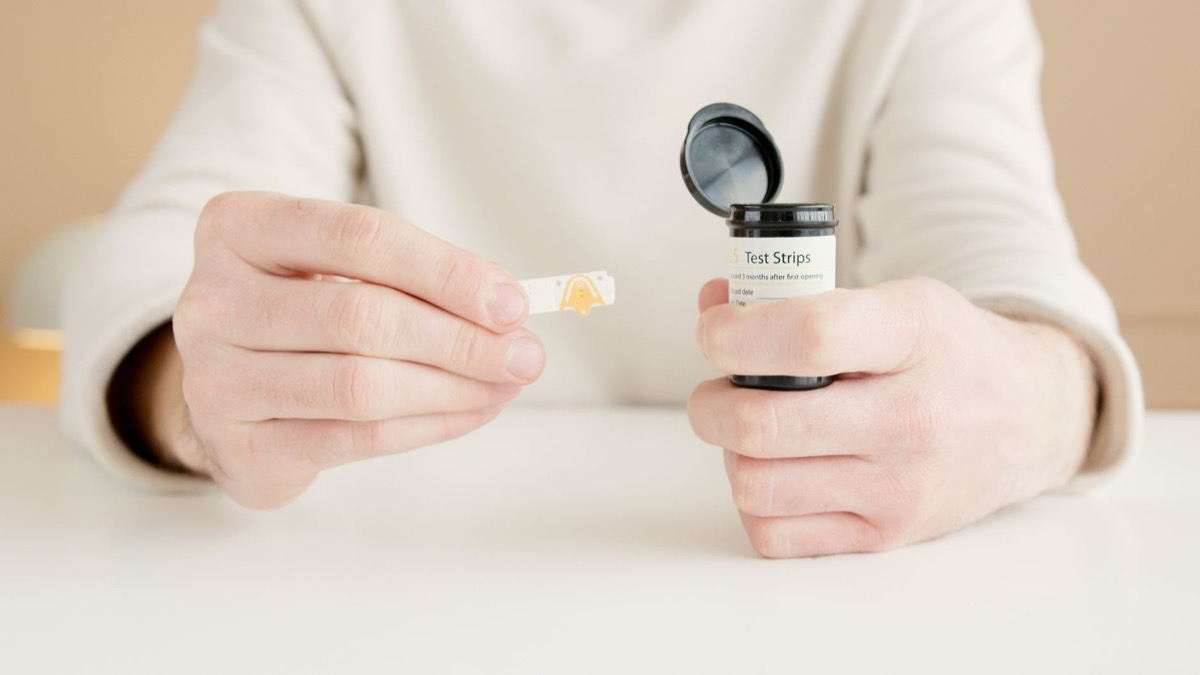
- Test Your Water First: Before adding any stabilizer, always test your pool's CYA level. A reliable test kit is crucial for accurate readings.
- If CYA is Low and You Use Unstabilized Chlorine: If you use liquid chlorine (sodium hypochlorite) or calcium hypochlorite (cal-hypo) for sanitation, and your CYA is below the recommended range, you'll need to add granular cyanuric acid.
- If CYA is Low and You Use Stabilized Chlorine: If your CYA is low and you already use dichlor or trichlor, continue with your current chlorine product. The CYA in these products will gradually increase your stabilizer level. Monitor closely to avoid overshooting the target range.
- Optimal CYA Levels: For chlorine-stabilized pools, a CYA level of 30-50 parts per million (ppm) is generally recommended.
- Addressing High CYA: Unlike other pool chemicals, CYA does not evaporate or get consumed. Once it's in the water, it stays. If your CYA levels become too high, the most effective way to lower them is through dilution – partially draining your pool and refilling it with fresh water.
Regular monitoring, as detailed in our Water Balance Guide, is vital to keep your stabilizer levels in the sweet spot.
Key Takeaways
- Pool stabilizer (Cyanuric Acid or CYA) protects chlorine from sun degradation, making it last longer.
- Without adequate CYA, chlorine dissipates quickly; too much CYA can hinder chlorine effectiveness.
- Stabilizer is available as granular CYA or pre-mixed in stabilized chlorine products like dichlor and trichlor.
- Always test your pool's CYA levels before adding stabilizer; optimal range is typically 30-50 ppm for chlorine-stabilized pools.
- High CYA levels can only be lowered by draining and refilling a portion of your pool water.
Try It Yourself — Free
Maintaining proper pool chemistry is a continuous process. Use our free pool salt calculator to ensure your water chemistry is perfectly balanced, and check out our Pool Stabilizer Calculator for precise adjustments.
Related Resources
- Pool Alkalinity Calculator
- Pool Chlorine Calculator
- Pool Shock Calculator
- Pool Stabilizer Calculator
- Complete Guide
More From Our Network
- Duct Size Calculator — same niche
- cyberfrad — our network
Sources
- bobvila.com — Original report
- Swim University — Cyanuric acid levels, UV protection, and stabilizer dosing guidance.