Essential Pool Care Tips for Crystal Clear Water All Season
Recent discussions, such as those highlighted on MSN about pool care tips for crystal clear water, consistently emphasize the importance of a proactive approach to pool maintenance. Achieving and maintaining truly crystal clear pool water doesn't have to be a mystery. It's a combination of consistent routine tasks and understanding the fundamentals of water chemistry, ensuring your pool is not only sparkling but also safe for everyone.
The Foundation: Consistent Routine Maintenance
A regular maintenance schedule is the cornerstone of clear pool water. Neglecting these basic tasks can quickly lead to cloudy water and algae growth.
- Skimming: Daily removal of leaves, bugs, and other floating debris prevents them from sinking and decomposing, which can consume your sanitizer and cloud the water.
- Brushing: Regularly brush the walls, steps, and floor of your pool to dislodge dirt, grime, and nascent algae. This is especially important for areas with poor circulation.
- Vacuuming: Manual or robotic vacuuming removes settled debris that brushing might have dislodged. Aim to vacuum at least once a week, or more often if your pool sees heavy use or accumulates a lot of debris.
- Filter Maintenance: Your pool filter is critical for removing microscopic particles. Regular filter cleaning (backwashing sand filters, rinsing DE filters, or cleaning cartridge filters) is crucial for efficient debris removal. Always consult your filter's manual for specific maintenance instructions.
- Circulation: Ensure your pump runs long enough each day to turn over all the water in your pool at least once, ideally two to three times. Good circulation helps distribute chemicals and move debris to the filter.
Mastering Essential Water Chemistry
Balanced water chemistry is perhaps the most critical factor for crystal clear pool water. Imbalances can lead to cloudiness, algae, equipment damage, and swimmer discomfort. Regular testing and precise adjustments are key.
- pH (Potential Hydrogen): This measures the acidity or alkalinity of your water. Per MAHC guidance, keep pH in the 7.2-7.8 range. Too high, and chlorine becomes less effective; too low, and it can cause corrosion and irritate swimmers' eyes.
- Total Alkalinity (TA): TA acts as a buffer for pH, helping to keep it stable. The ideal range is generally 80-120 ppm. Low TA can lead to pH fluctuations, while high TA can make pH difficult to adjust and cause cloudiness. Use our Pool Alkalinity Calculator for precise adjustments.
- Calcium Hardness (CH): This measures the amount of dissolved calcium in your water; per poolchemcalculators.com, ideally 200-400 ppm for plaster pools or 150-250 ppm for vinyl/fiberglass. Proper CH levels prevent plaster etching (low CH) or scale formation (high CH).
- Sanitizer (Chlorine): Crucial for killing bacteria, viruses, and algae. Per poolchemcalculators.com, keep free chlorine at 2 ppm recommended (3 ppm maximum for regular use). Ensure your chlorine levels are consistent to prevent problems before they start. Our Pool Chlorine Calculator can help you add the right amount.
- Stabilizer (Cyanuric Acid, CYA): Often referred to as conditioner, CYA protects chlorine from degradation by UV rays. Per Swim University, CYA should generally be between 30-50 ppm if you use stabilized chlorine or your pool is exposed to direct sunlight. Too much CYA can bind chlorine, making it less effective. Plan your additions with our Pool Stabilizer Calculator.
Maintaining balanced water chemistry is paramount. Test pH, alkalinity, chlorine, and CYA regularly using a reliable kit — see our water balance guide for linked target ranges.
Troubleshooting Common Clarity Issues
Even with regular maintenance, issues can arise. Knowing how to diagnose and treat them quickly is key to restoring clarity.
- Cloudy Water: This is a common complaint. Causes can include poor filtration, high pH, low chlorine, high calcium hardness, or suspended particulate matter. Test your water first. Often, correcting chemical imbalances, cleaning your filter, or using a clarifier can resolve the issue.
- Algae: Green, black, or mustard algae are signs of insufficient sanitization, poor circulation, or unbalanced water. Brush affected areas thoroughly, test and balance your water, and then shock your pool to kill the algae. Follow up with vacuuming and filter cleaning.
- Stains: Stains can be organic (from leaves, berries) or metallic (from corroding metals in the water). Identify the type of stain before treating it. Organic stains often respond to shocking, while metallic stains require a sequestering agent or metal remover.
- Low Water Level: Evaporation and splash-out are normal, but a consistent drop might indicate a leak. Regularly check your Pool Volume Calculator for accurate sizing when adding water or chemicals.
Enhancing Your Pool Care with Smart Tools
While manual effort is essential, leveraging technology can make your pool care routine more efficient and precise. Regular water testing, combined with smart calculators, takes the guesswork out of chemical adjustments.
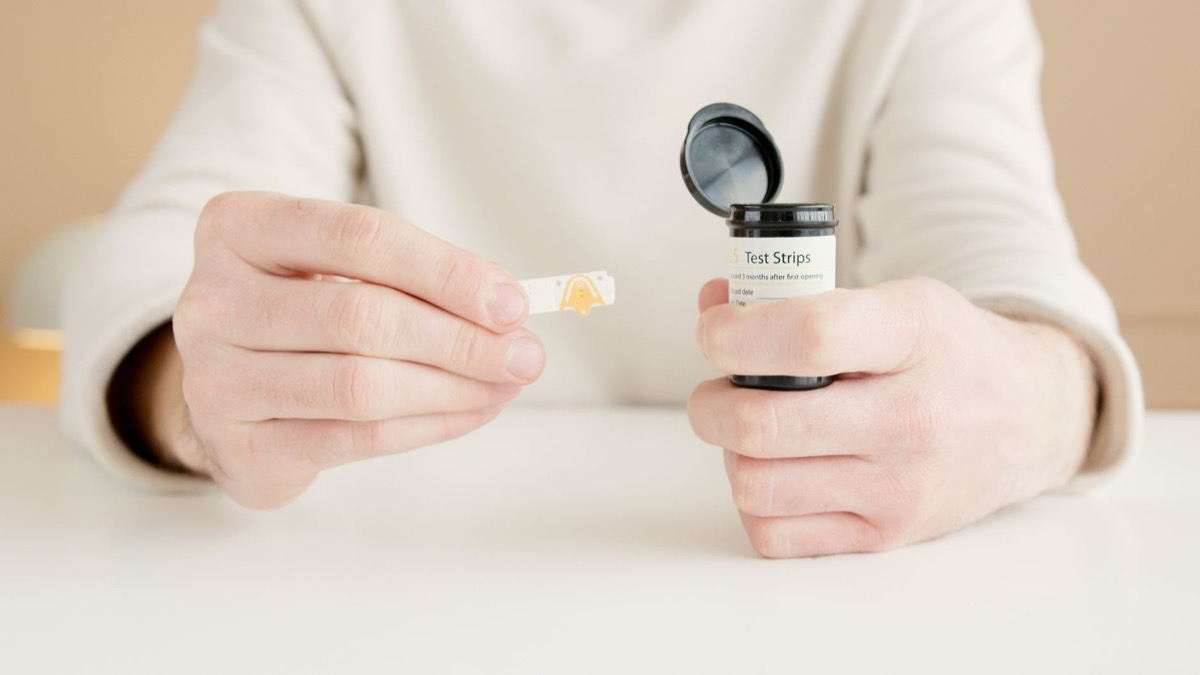
- Frequent Water Testing: Invest in a reliable test kit (strips, liquid kit, or digital tester) and use it regularly – daily or every other day during peak season. Consistent testing allows you to catch minor imbalances before they escalate into major problems.
- Pool Shocking: Periodically shocking your pool (adding a large dose of chlorine) helps destroy contaminants, free up combined chlorine, and kill algae. This is especially important after heavy use, rain, or when water clarity begins to diminish. Our Pool Shock Calculator can guide you on the correct dosage.
- Water Balance Guide: For a comprehensive understanding of how all these parameters interact, consult a detailed Water Balance Guide. Understanding the Langelier Saturation Index (LSI) can help you predict and prevent scaling or corrosive water conditions.
Key Takeaways
- Consistent routine maintenance (skimming, brushing, vacuuming, filter care) is fundamental for preventing clarity issues.
- Mastering water chemistry – pH, alkalinity, calcium hardness, and sanitizer levels – is crucial for both crystal clear water and swimmer comfort.
- Regularly test your pool water and make precise chemical adjustments to maintain optimal ranges.
- Address common problems like cloudy water or algae immediately to prevent them from worsening.
- Utilize smart tools and calculators for accurate dosing and a better understanding of your pool's needs.
Try It Yourself — Free
For precise calculations when adjusting your pool's chemistry, be sure to use our free pool salt calculator. You can also find specific tools like our Pool Chlorine Calculator to help maintain perfect water balance.
Related Resources
- Pool Alkalinity Calculator
- Pool Chlorine Calculator
- Pool Shock Calculator
- Pool Stabilizer Calculator
- Complete Guide
More From Our Network
- Duct Size Calculator — same niche
- cyberfrad — our network
Sources
- MSN — Original report
- MSN (via Bob Vila) — Recent discussions, such as those highlighted on MSN, often underscore the importance of consistent pool care tips for crystal clear water.