Choosing the Best Pool Test Kit for Accurate Water Chemistry
Keeping your pool water balanced is crucial for swimmer comfort, equipment longevity, and overall water health. As highlighted by publications like bobvila.com in their 'The Best Pool Test Kits of 2026' review, selecting the right pool test kit is the first step towards accurate water chemistry management.
This guide will help you understand the different types of test kits available and how to choose the best one to meet your needs, ensuring you can maintain crystal-clear, safe swimming conditions.
Why Accurate Pool Water Testing Matters
Accurate pool water testing isn't just about clear water; it's fundamental to pool ownership. Regular testing helps you:
- Protect Swimmer Health: Properly balanced water, especially chlorine and pH levels, prevents the growth of harmful bacteria and minimizes skin and eye irritation.
- Preserve Pool Equipment: Imbalanced water can lead to costly damage, such as corrosion of metal parts or scaling on surfaces and heaters.
- Maximize Chemical Efficiency: When pH is too high or too low, chlorine's sanitizing power is significantly reduced, meaning you use more chemicals with less effect.
- Maintain Water Clarity: Correct chemical levels prevent cloudiness and algae blooms, keeping your pool inviting.
For optimal results, test your pool water regularly during swim season — more often during heavy use or hot weather. Keep chlorine in the CDC 1–4 ppm range. Key parameters to monitor include pH, chlorine (free and total), alkalinity, calcium hardness, and cyanuric acid.
Types of Pool Test Kits
Choosing a pool test kit involves balancing accuracy, ease of use, and cost. Here are the main types:
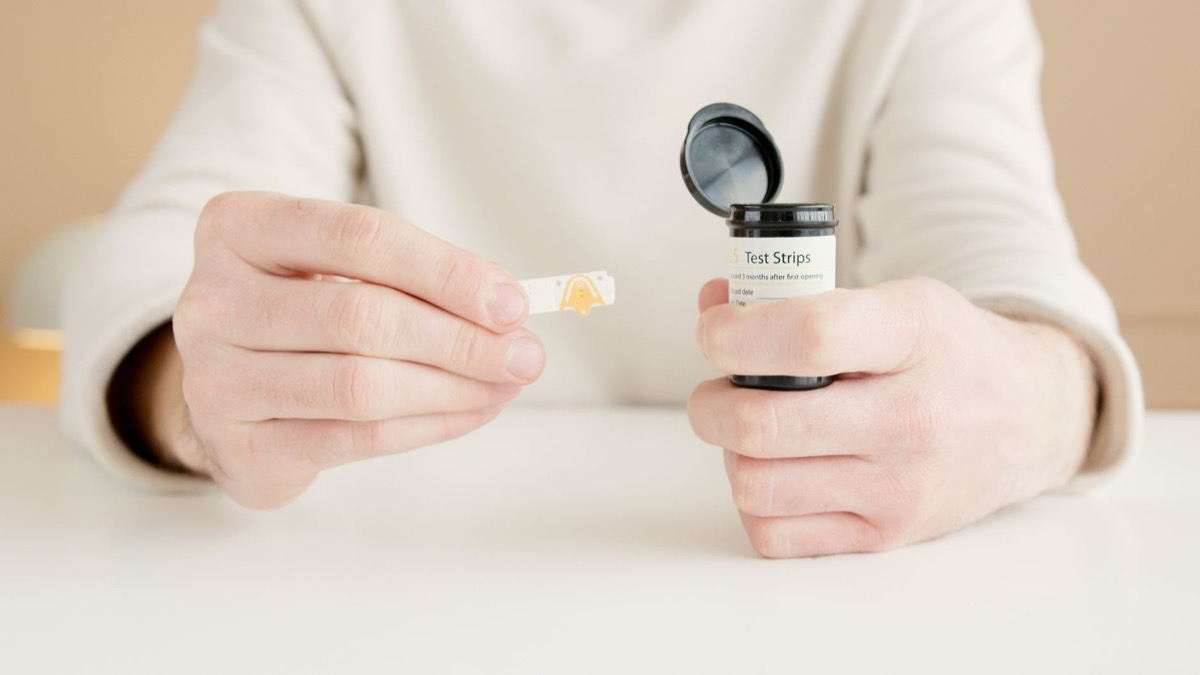
- Test Strips:
- How they work: Dip a strip into the water for a few seconds, then compare the color changes to a chart on the bottle.
- Pros: Very quick, convenient, and affordable.
- Cons: Generally less precise than other methods. Color matching can be subjective and difficult in certain lighting.
- Best for: Quick, routine checks and beginners who prioritize speed and simplicity.
- Liquid Reagent Kits (DPD/OTO):
- How they work: Collect water samples in small vials and add drops of liquid reagents. The water changes color, and you compare it to a provided color chart. DPD is typically used for free and total chlorine, while OTO is for total chlorine only and is less common due to its less accurate nature and inability to measure free chlorine.
- Pros: More accurate than test strips, offering a clearer color comparison for most parameters.
- Cons: Requires more steps, takes slightly longer, and involves handling liquid chemicals. Reagents have a shelf life and can be affected by temperature.
- Best for: Homeowners seeking good accuracy for essential parameters without breaking the bank.
- Digital Test Kits/Photometers:
- How they work: You add a reagent (sometimes a liquid, sometimes a tablet) to a water sample, and the device uses light to precisely measure the color change, displaying a digital reading.
- Pros: Offer the highest level of accuracy and remove the subjectivity of color matching. Many can test a wide range of parameters.
- Cons: Most expensive option, requires batteries, and still uses reagents that need to be replaced.
- Best for: Professionals, pool enthusiasts, or anyone who demands the highest precision for comprehensive water analysis.
Key Parameters to Test for Your Pool
Regardless of the kit type, you should regularly test for these critical parameters:
- pH: Measures acidity or alkalinity. Per CDC guidelines, keep pH in the 7.0-7.8 range. Crucial for swimmer comfort and chlorine effectiveness. Too high can cause scaling, too low can cause corrosion.
- Chlorine (Free Available Chlorine - FAC): The active sanitizer that kills germs. Per CDC guidelines, ideal range is 1-4 ppm for most pools. Ensure your kit can distinguish Free Chlorine from Total Chlorine. For help with adjustments, see our Pool Chlorine Calculator or Pool Shock Calculator.
- Total Alkalinity (TA): Acts as a buffer to prevent rapid pH swings. Ideal range: 80-120 ppm. Learn more with our Pool Alkalinity Calculator.
- Calcium Hardness (CH): Prevents plaster etching or scaling. Per poolchemcalculators.com, ideal range is 200-400 ppm for plaster pools or 150-250 ppm for vinyl/fiberglass.
- Cyanuric Acid (CYA) / Stabilizer: Protects chlorine from degradation by sunlight. Per Swim University, ideal range is 30-50 ppm for most outdoor pools. Our Pool Stabilizer Calculator can help you manage this.
Some kits also test for other parameters like phosphates, copper, or iron, which can be useful depending on your pool's specific issues.
Choosing the Right Test Kit for You
When making your selection, consider these factors:
- Accuracy vs. Convenience: If you prioritize quick checks, strips are fine. For more precise control and troubleshooting, liquid kits or digital testers are better investments.
- Parameters Tested: Ensure the kit covers all the essential parameters you need to monitor. Some kits are basic, while others are comprehensive.
- Budget: Test strips are the most affordable upfront, followed by liquid kits, and then digital testers. Remember to factor in the cost of replacement reagents or strips.
- Ease of Use: If you struggle with color matching or complex instructions, a digital tester might be worth the investment.
- Environmental Factors: Consider how lighting conditions might affect color matching with strips or liquid kits.
Ultimately, the "best" pool test kit is one you will use consistently and correctly. Regular, accurate pool water testing is the foundation of a healthy and enjoyable swimming environment. For more information on pool water balance, refer to our Water Balance Guide.
Key Takeaways
- Accurate pool water testing is vital for swimmer health, equipment protection, and chemical efficiency.
- Choose between test strips (quick, convenient), liquid reagent kits (more accurate, good value), or digital testers (highest precision, most expensive).
- Regularly test for pH, Free Chlorine, Total Alkalinity, Calcium Hardness, and Cyanuric Acid.
- The best kit balances accuracy, ease of use, cost, and the parameters you need to monitor.
- Consistency in testing is key to maintaining a balanced and healthy pool.
Try It Yourself — Free
Once you've tested your pool water and know your current levels, use our free pool salt calculator and other dedicated tools like the Pool Volume Calculator to make precise chemical adjustments for a perfectly balanced pool.
Related Resources
- Pool Alkalinity Calculator
- Pool Chlorine Calculator
- Pool Shock Calculator
- Pool Stabilizer Calculator
- Complete Guide
More From Our Network
- Duct Size Calculator — same niche
- cyberfrad — our network
Sources
- bobvila.com — Original report
- bobvila.com — News hook: "The Best Pool Test Kits of 2026, Tested and Reviewed - bobvila.com"